
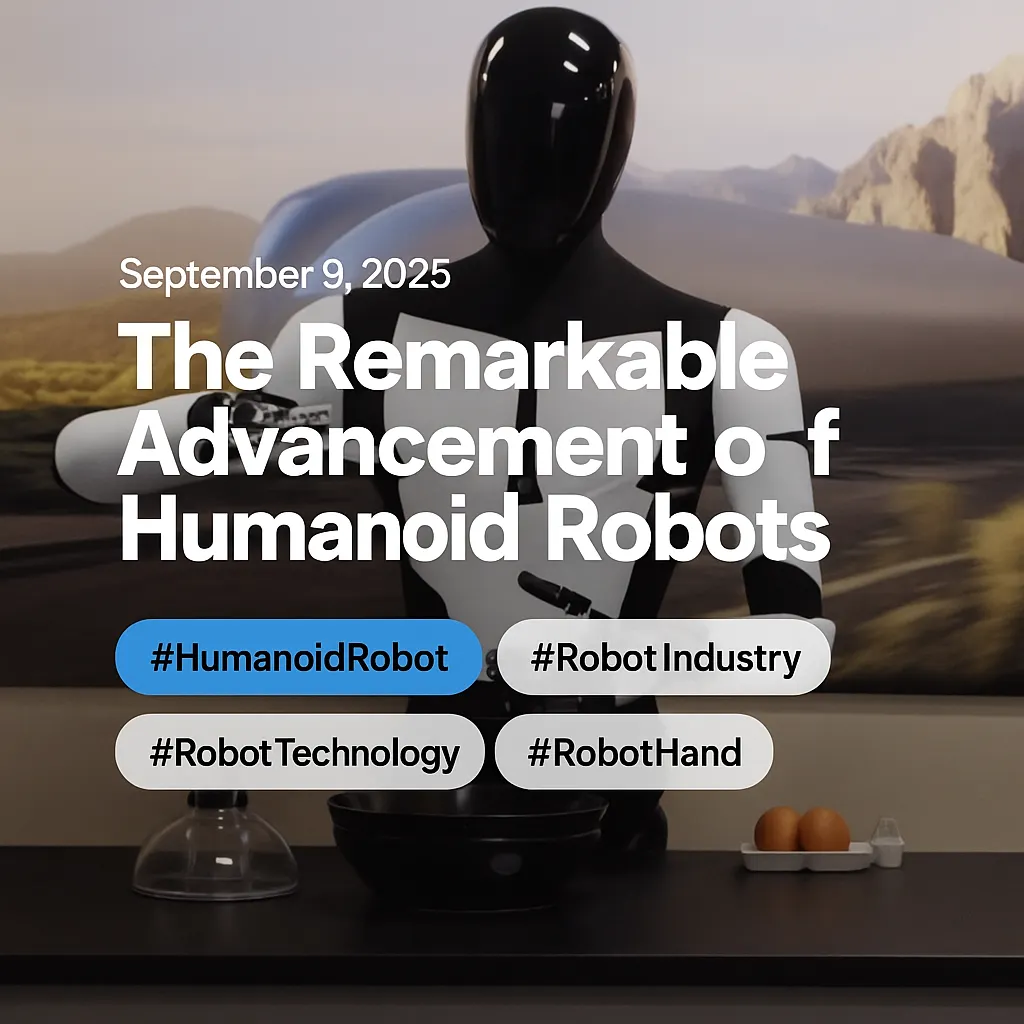
As of 2025, humanoid robot technology has reached a level that once seemed possible only in science fiction.
Robots modeled after the human form are now performing real-world tasks — extending far beyond simple motion —
and pushing the boundaries of modern robotics.
In this article, we’ll look at some of the world’s leading humanoid robot developers and explore just how far the technology has progressed.
We’ll also focus on one of the most critical components driving this evolution: robotic hand technology.
Leading Companies and Their Achievements
The race for humanoid robot development is led primarily by companies in the United States and China.
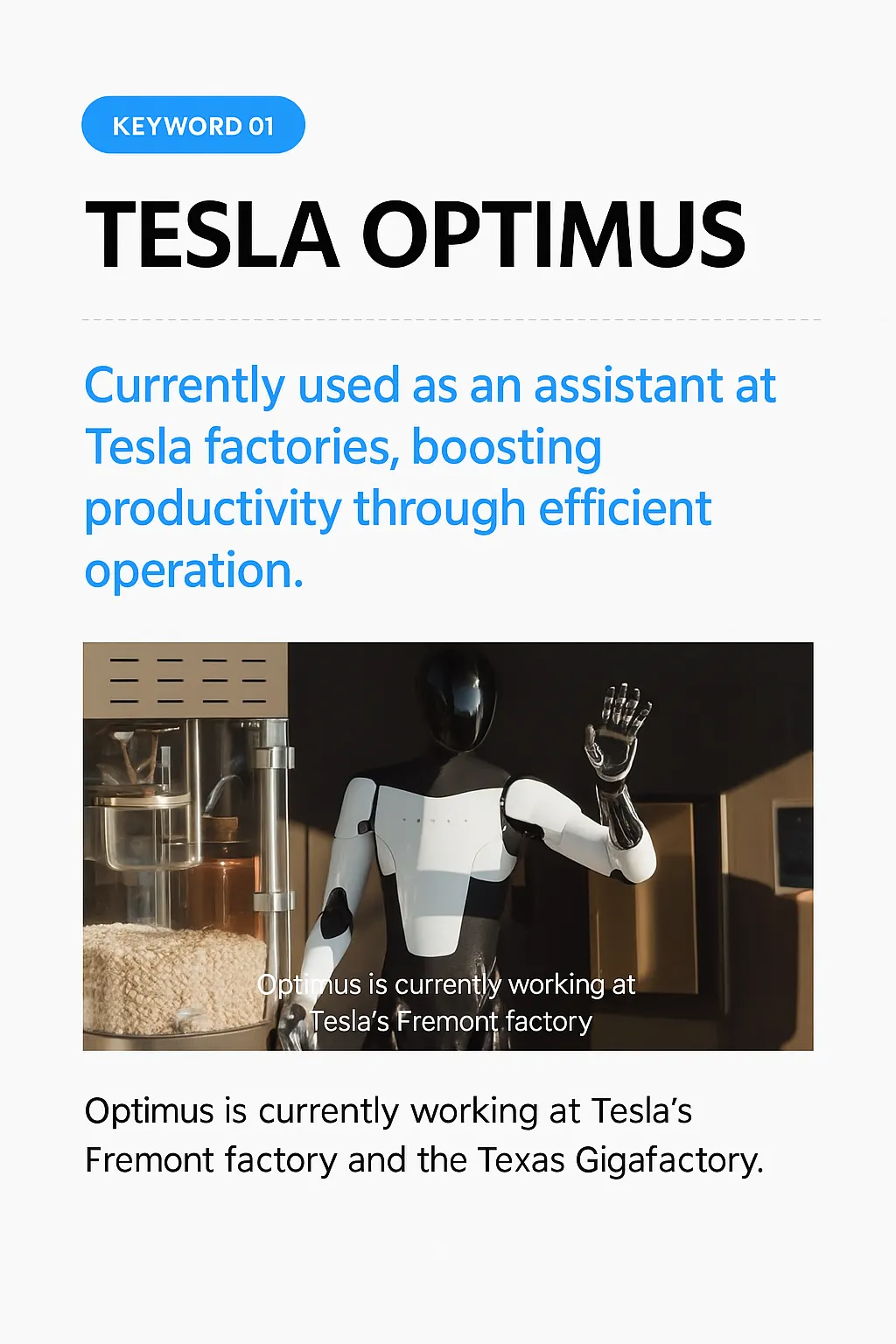
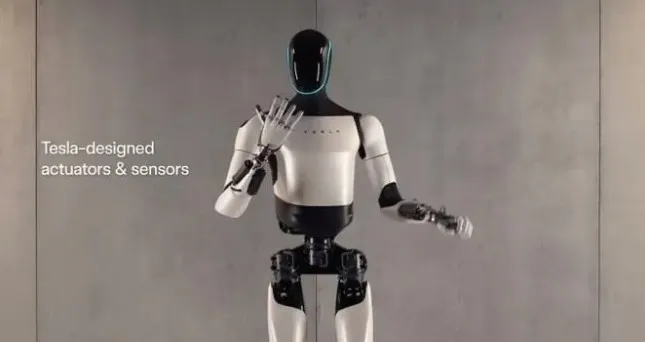
Tesla’s Optimus Gen 2 is set for mass production in 2025,
performing tasks ranging from factory work to household assistance.
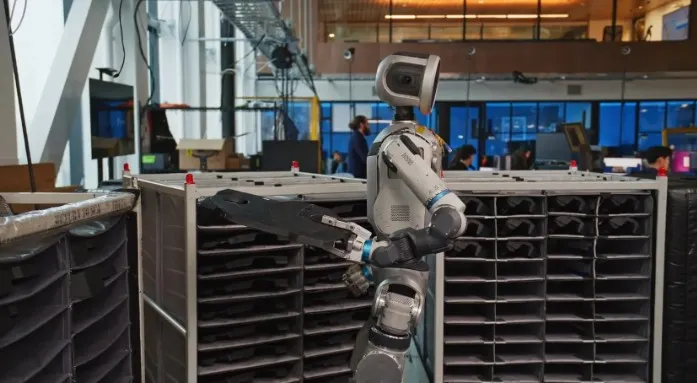
Boston Dynamics’ Electric Atlas demonstrates highly dynamic movements — including balancing and jumping —
and is already being utilized in industrial environments.
Figure AI and Agility Robotics’ Digit bring human-like dexterity to manufacturing and logistics,
with rapid commercialization fueled by investments from Amazon and Meta.
In China, Unitree Robotics (G1 model) and Agibot are capturing the market with high performance at lower cost,

showcasing more than 60 humanoid robots at the 2025 World Robot Conference.
Meanwhile, Apptronik’s Apollo and 1X Technologies are gaining attention for their collaborative robot models,
and companies like SoftBank Robotics and PAL Robotics are driving the mainstream adoption of service robots.

AI Integration and Technological Maturity
These companies are combining AI with advanced sensor technologies to create more intelligent and adaptive robots.
For example, Tesla Optimus uses natural language processing and visual recognition to understand commands,
while Boston Dynamics Atlas adapts to real-world environments in real time to avoid obstacles.
With mass production beginning in 2025, costs are falling dramatically — paving the way for expansion into both industrial and domestic use.
The Current State of Technology: At the Threshold of Everyday Life
The progress in humanoid robotics during 2025 has been remarkable.
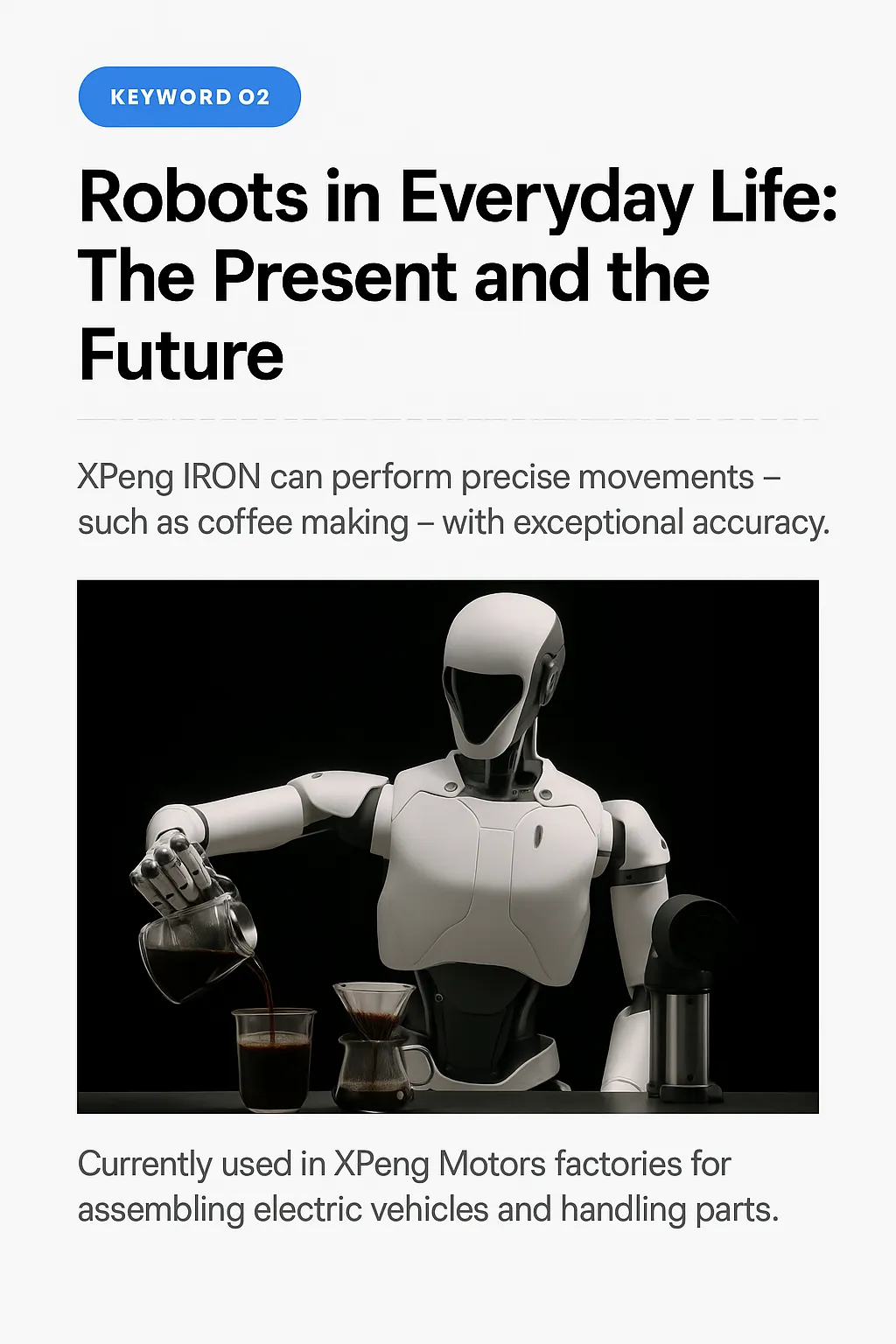
While early models could only walk, modern robots can now brew coffee, load dishwashers,
and even incorporate artificial womb systems for experimental research.
XPeng Motors’ IRON robot operates coffee machines,
and X Square Robot’s Quanta X2 has already been commercialized for schools and hotels.
Kaiwa Technology in China has announced plans for an artificial womb-equipped robot by 2026 —
pushing technological and ethical boundaries alike.
At the heart of this progress is AI integration.
Optimus Gen 2 offers conversational and learning capabilities on par with ChatGPT,
while Unitree G1 achieves dynamic balance at a fraction of the cost.
At CES 2025, Realbotix unveiled lifelike emotion-expressing robots,
and museums in Shanghai introduced AI-powered guides.
Experts predict that humanoid robots will become commonplace within the next decade,
driven by massive investments from tech giants such as Amazon and Meta.
However, challenges remain — including ethical issues (like artificial womb technology) and technical hurdles (safety and cost).
Robotic Hands: The Core of Humanoid Robotics
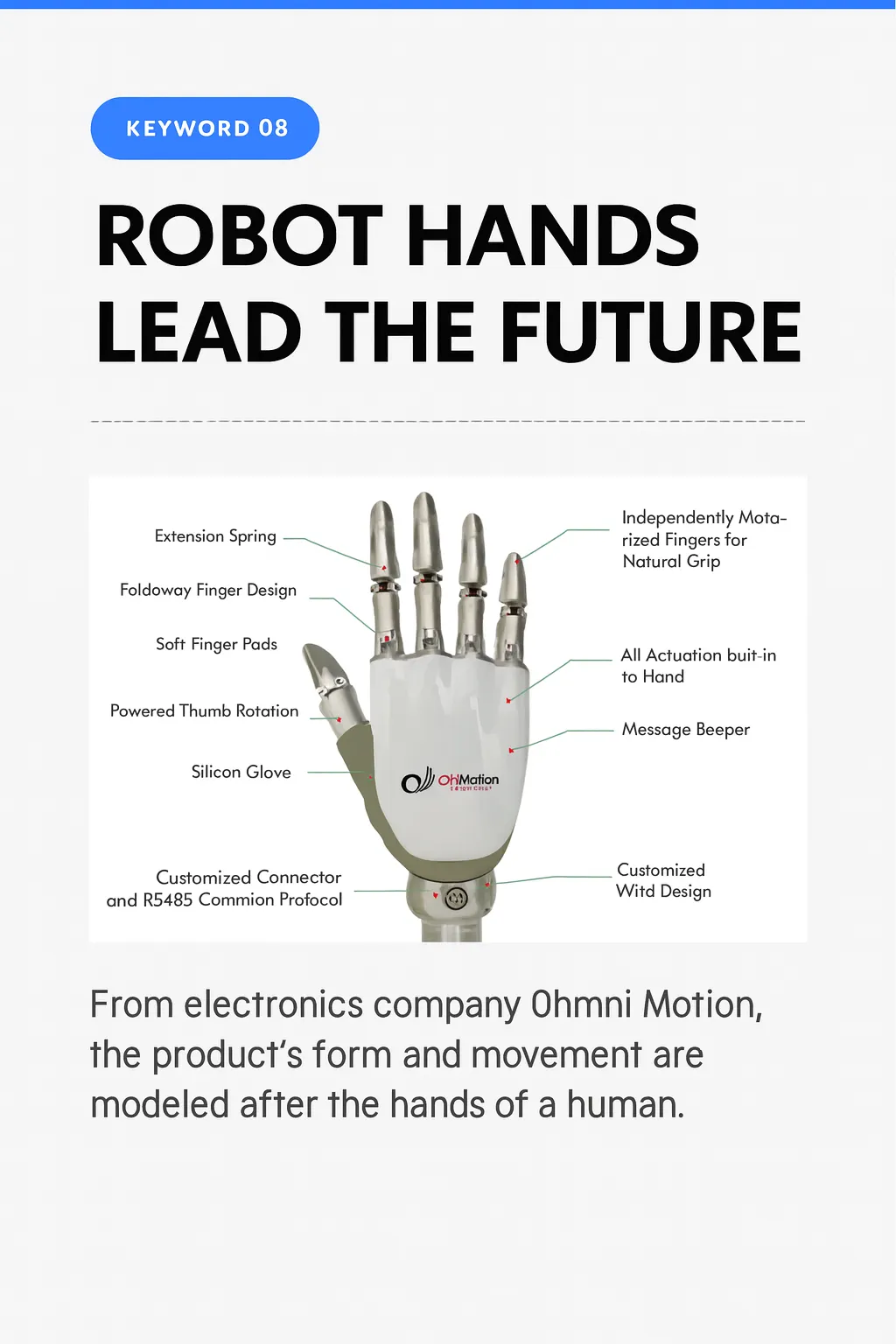
In the evolution of humanoid robots, robotic hand technology plays a crucial role.
It enables precise grip and manipulation similar to a human hand,
powering the capabilities of robots like Optimus and Atlas.
Modern advancements — including force sensors and multi-degree-of-freedom designs —
are making robotic hands more natural and adaptive than ever before.
Refind Inc. is at the forefront of this trend with its ROhand series,
a line of research-optimized humanoid robotic hands.
The ROH-AP001 detects minute pressure variations through force sensors for precision handling,
while the lightweight ROH-LiteS001 (457g) is designed for extended use with maximum efficiency.
Through ODM/OEM services, Refind enables customized development tailored to different industrial and research needs.
Integrated into humanoid robots, ROhand provides real-time data feedback that accelerates robotic learning,
solidifying its position as a core component of future humanoid systems.
The Bright Future of Humanoid Robotics
Humanoid robots are now approaching full commercialization,
driven by mass production and deep AI integration.
Companies like Tesla, Boston Dynamics, and Unitree are leading the charge,
and within a decade, humanoid robots are expected to become a familiar presence in both homes and industries.
Component technologies such as robotic hands are the foundation of this transformation —
demonstrating the limitless potential of robotics.
As innovation continues, paired with thoughtful ethical considerations,
the future of humanoid robotics shines brighter than ever.