
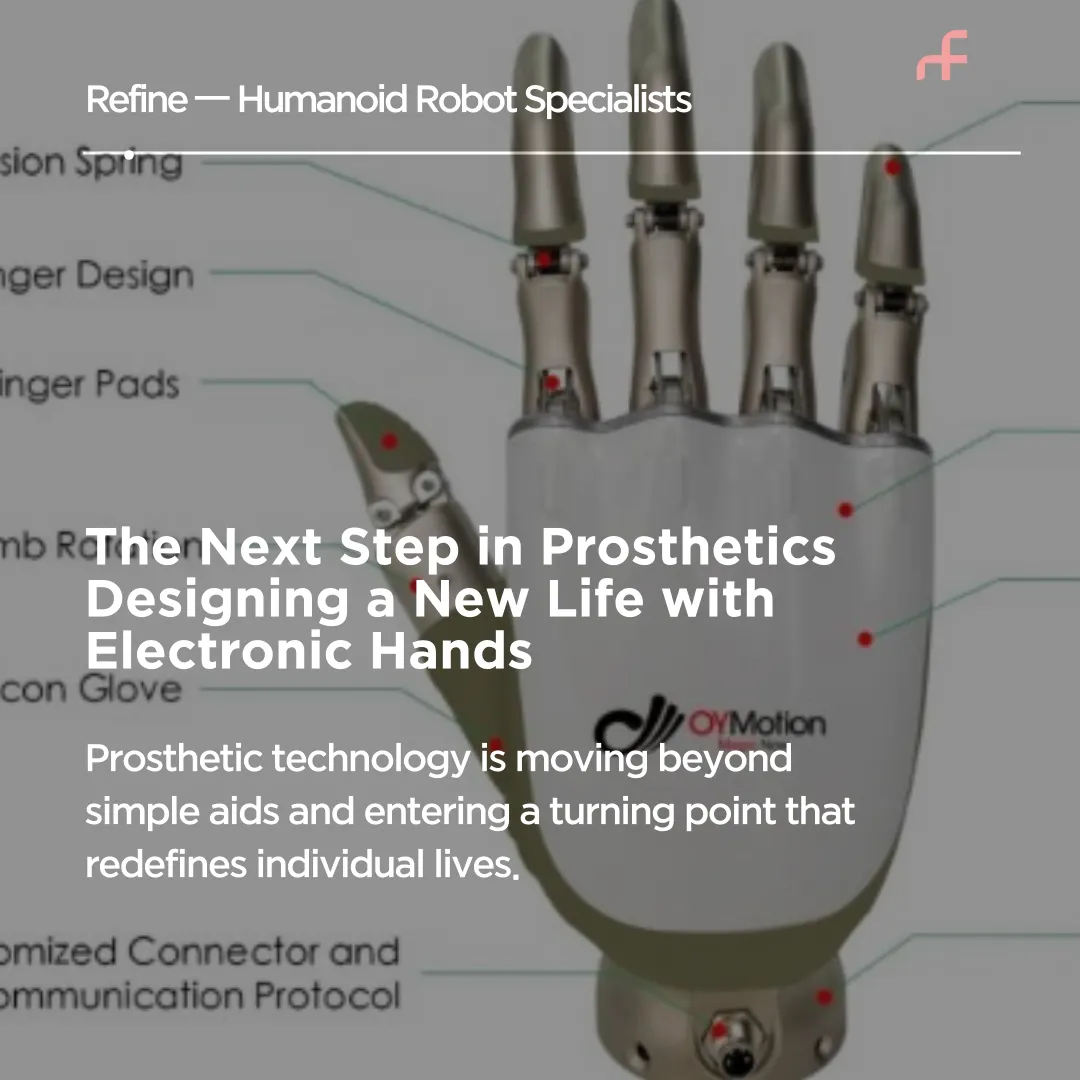
Prosthetic manufacturing technology is entering a new turning point, moving beyond simple assistive tools to redefine individual lives.
Electronic prosthetic hands, equipped with advanced technology, offer capabilities and convenience that traditional prosthetics could never match.
In this article, we explore the latest trends in prosthetic development and examine how electronic prosthetic hands open new possibilities for users to design a new chapter of their lives.
The Technological Evolution of Electronic Prosthetics
Prosthetics have a long history, beginning with simple devices made of wood or metal.
However, with the rapid advancement of electronic technology in the 21st century, prosthetic development has taken a major leap forward.
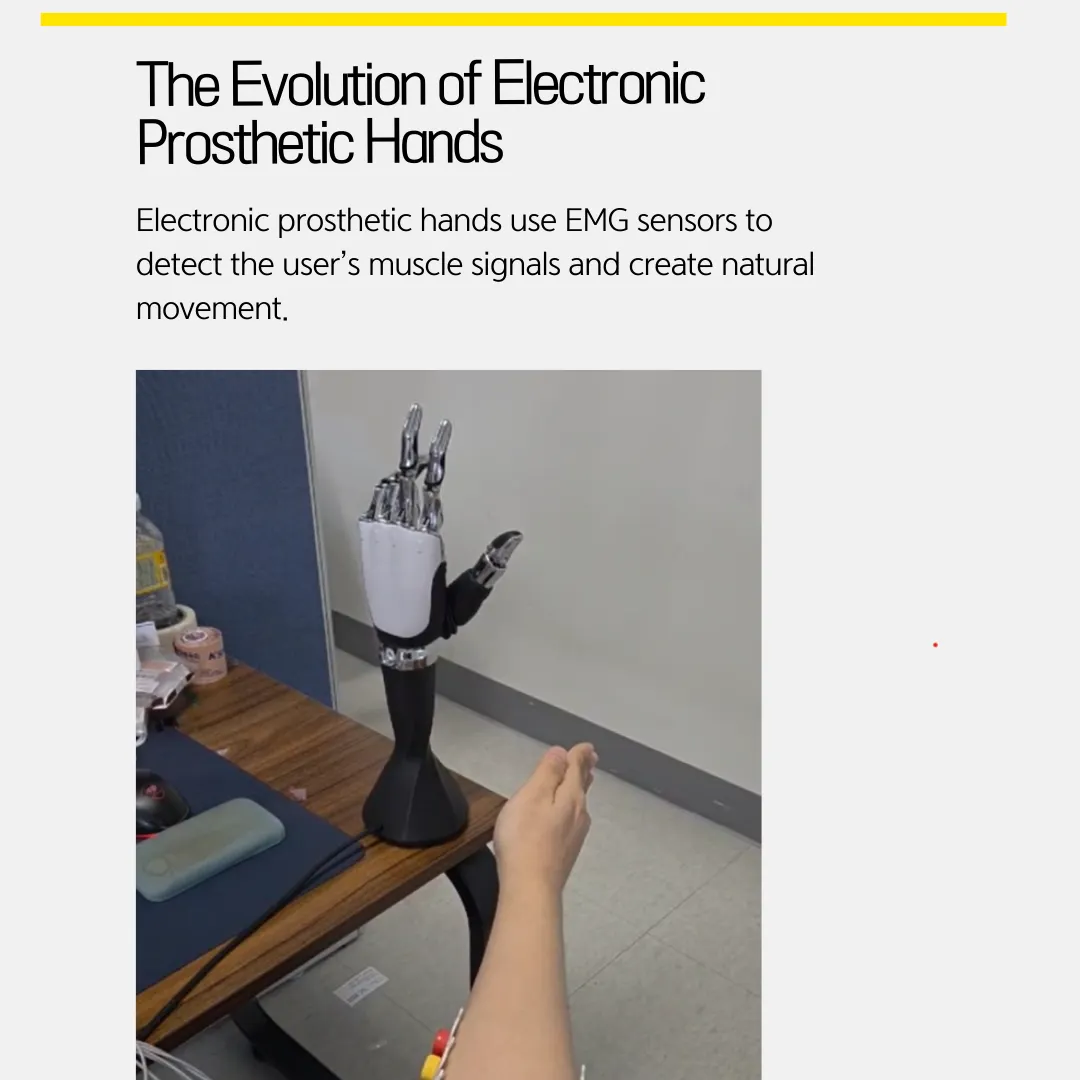
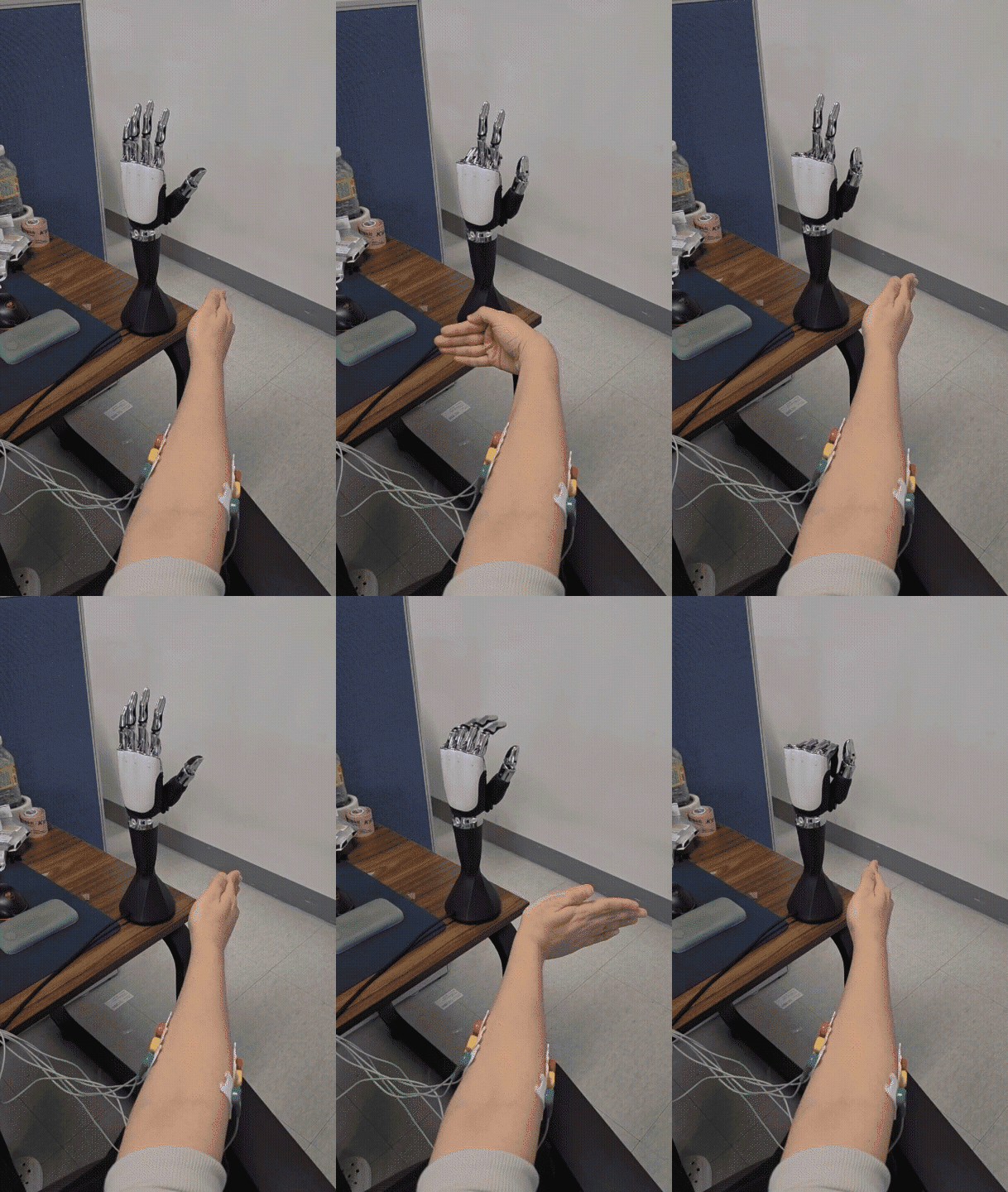
Electronic prosthetic hands use electromyography (EMG) sensors and microprocessors to detect the user’s muscle signals, enabling natural and intuitive movement.
As of 2025, a research team at MIT announced that the accuracy of modern electronic prosthetics has reached up to 95%, a level significantly higher than traditional mechanical prosthetics.
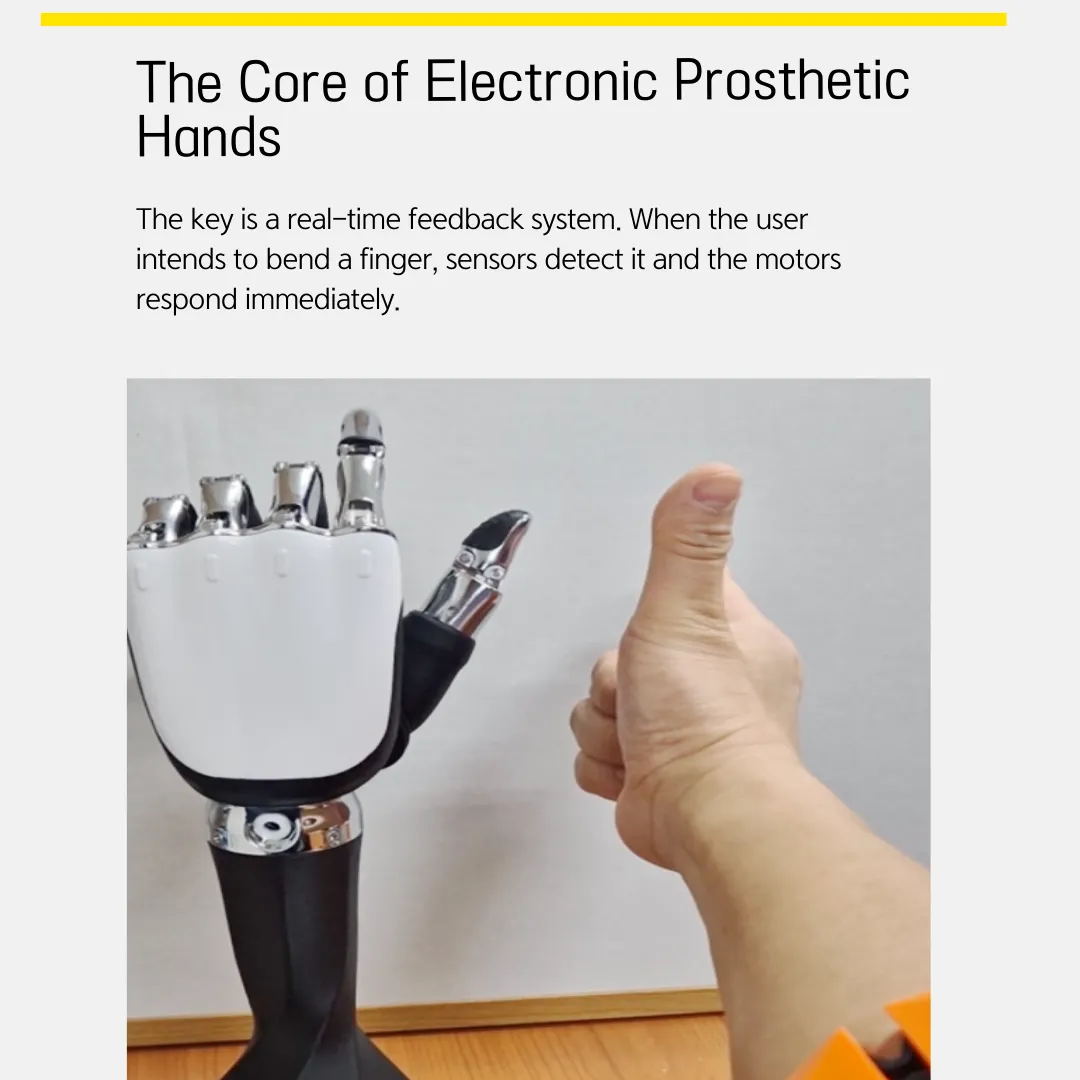
At the core of electronic prosthetics lies a real-time feedback system.
For example, when a user intends to bend a finger, sensors instantly detect the intention, and the motors respond without delay.
According to a recent report by Bosch, this technology can translate a user’s intention into motion in less than 0.1 seconds, making everyday tasks such as grasping or manipulating objects dramatically more seamless.
As a result, prosthetics are evolving from mere compensatory tools into devices that enhance human capability.
New Possibilities Unlocked by Electronic Prosthetics
Electronic prosthetic hands bring practical and meaningful transformation to daily life.
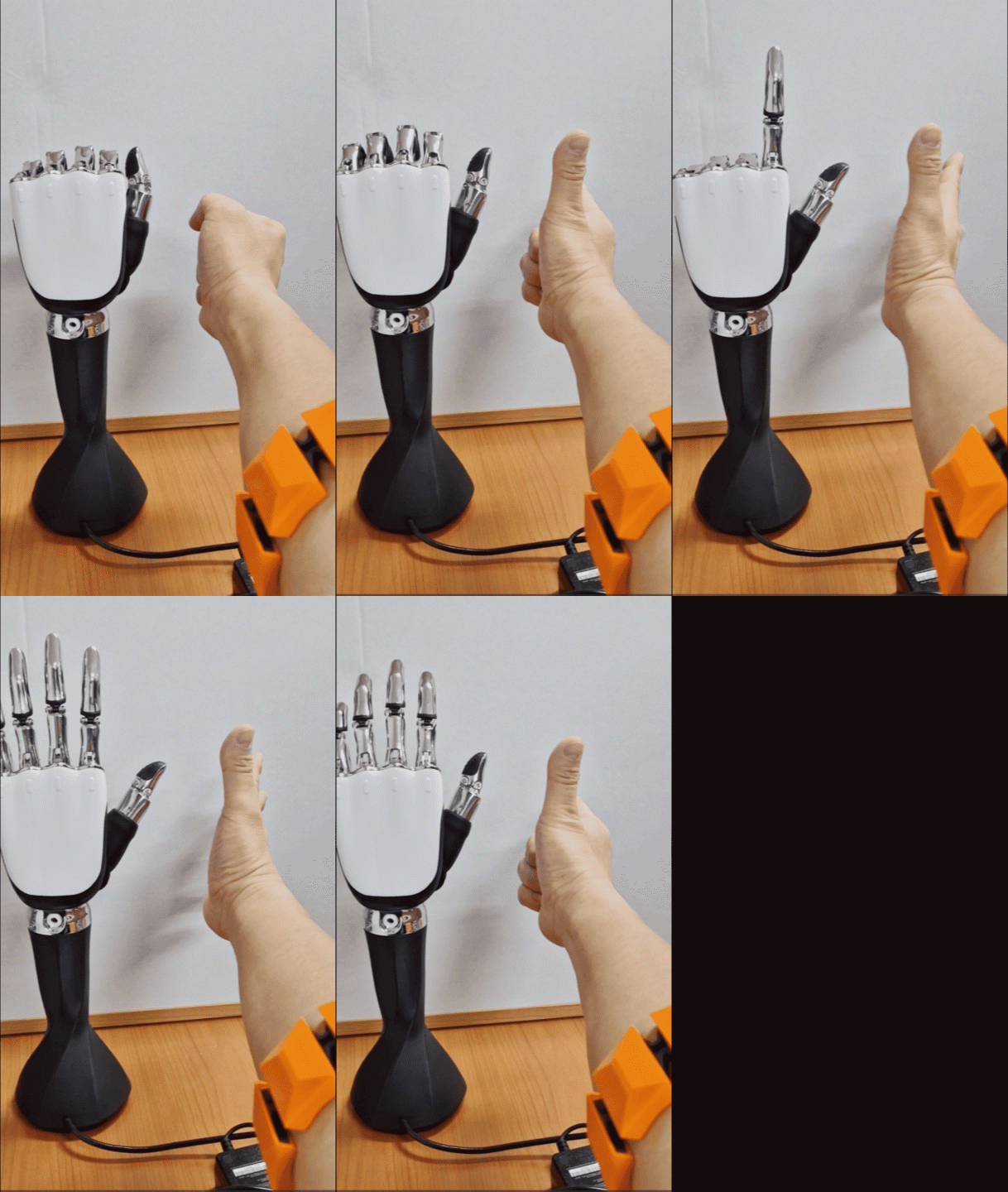
For instance, one user regained functional independence after adopting an electronic prosthetic hand, enabling normal daily activities once again.
These cases demonstrate that electronic prosthetics do more than restore lost function—they empower creative expression, enable professional reintegration, and open entirely new opportunities.
As prosthetic technology advances, users can set new goals that go beyond previous physical limitations.
ROhand
Personalization and Community in Prosthetic Development
The next major phase in prosthetic development is personalization.
As of 2025, the combination of 3D printing and AI algorithms allows prosthetics to be designed according to an individual’s exact body measurements and lifestyle patterns.
This maximizes the benefits of electronic prosthetic hands, giving users the freedom to choose designs that match their needs and personal style.
At the same time, the prosthetics field is fostering strong user communities.
Online forums and social media groups allow electronic prosthetic users to share experiences, while manufacturers actively incorporate this user feedback into ongoing improvements.
This collaborative ecosystem has driven continuous innovation, and as of 2025, the global community of electronic prosthetic users has grown to over 500,000 people.
ROhand
Challenges and Future Outlook
The future promises even more sophisticated electronic prosthetics.
By 2030, advancements in AI and biosignal processing may allow prosthetic hands that interpret direct brain signals to become commercially available.
This represents a shift from traditional mechanical engineering into the realm of biotechnology.
As user-centered innovation continues, electronic prosthetics will not only improve quality of life but also unlock entirely new human potential.
Conclusion
Prosthetic development has entered a new era in which electronic prosthetics empower users to redesign their lives.
With continuous technological progress enhancing personal capability, prosthetics have evolved far beyond medical devices and now hold deeper meaning as tools that reshape human possibility.